
Why Do I Keep Going Back to Someone Who Hurts Me? The Truth Your Heart Is Avoiding
Why Do You Return to the Person Who Keeps Breaking Your Peace?
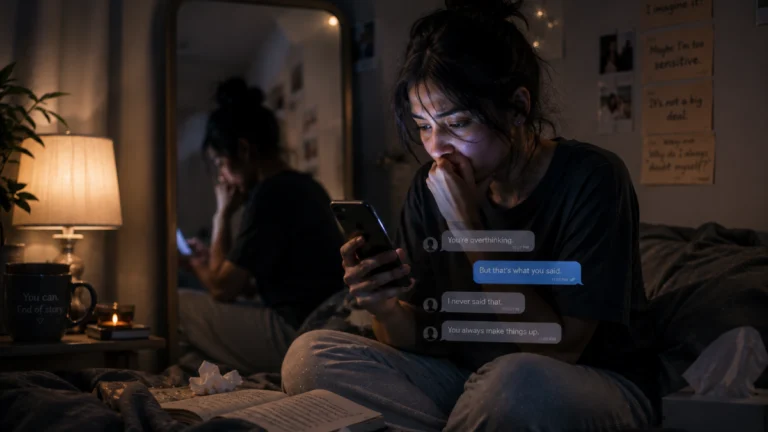
Have you ever promised yourself you were done, but the moment they came back soft, apologetic, or lonely, something inside you weakened?
Maybe they hurt you.
You cried.
You overthought everything.
You told yourself, “This is the last time.”
You blocked them, muted them, deleted the chat, or at least decided you would not reply again.
And for a little while, you meant it.
You remembered the pain clearly.
You remembered how small they made you feel.
You remembered the nights you could not sleep because of them.
You remembered how tired your heart had become.
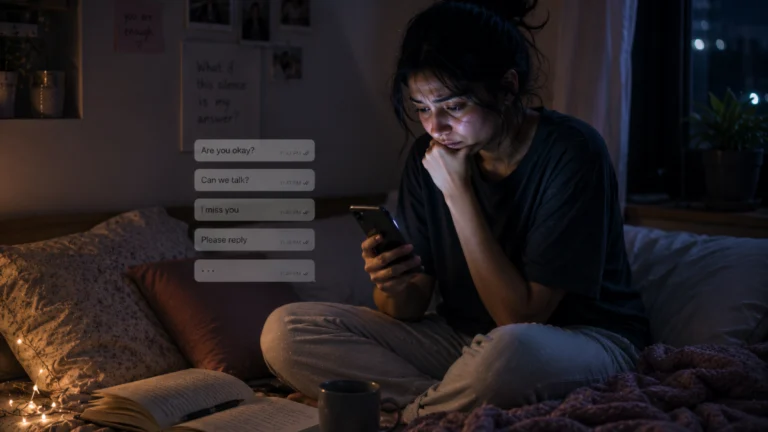
But then they came back.
Maybe they said sorry.
Maybe they said they missed you.
Maybe they sounded broken.
Maybe they promised they finally understood.
Maybe they became the version of themselves you had been waiting for.
And suddenly, your clarity started shaking.
You remembered the good moments.
You wondered if you were being too harsh.
You thought, “Maybe this time will be different.”
So you went back.
And now, maybe you are sitting with that heavy question again:
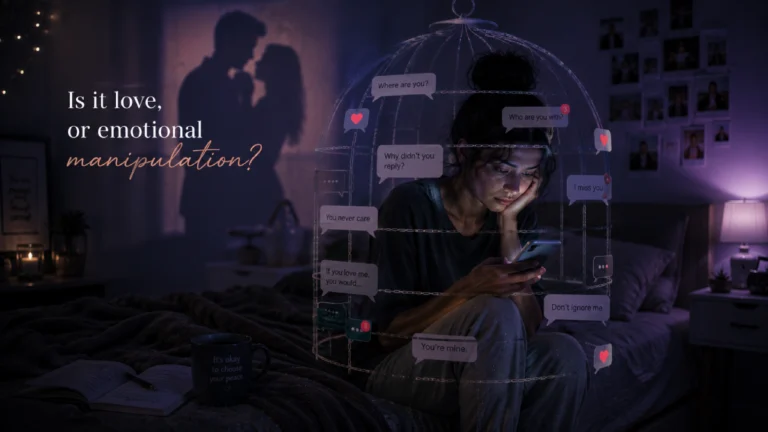
Why do I keep going back to someone who hurts me?
It can feel so confusing because you are not unaware.
You know the pattern.
You know they hurt you.
You know this relationship takes something from you.
You know you deserve peace.
But knowing does not always stop the pull.
Sometimes your mind has already left, but your nervous system is still attached.
Sometimes your logic sees the damage, but your heart still remembers the softness.
Sometimes you are not going back because the relationship is safe. You are going back because the relief after pain feels like love.
And that is the part nobody talks about gently enough.
People may say, “Just leave.”
“Block them.”
“Have self-respect.”
“Why do you keep going back?”
“You know better.”
But shame rarely helps someone break a cycle.
Because you probably do know better.
The problem is not that you know nothing.
The problem is that a part of you is still emotionally tied to hope, guilt, fear, attachment, memory, relief, or the version of them that only appears after they have hurt you.
This blog is not here to judge you.
It is here to help you understand the emotional psychology behind why you keep going back to someone who hurts you, what the cycle is really doing to your heart, and what to do the next time you feel pulled back.
And before we go deeper, one important note:
If this person controls you, threatens you, stalks you, scares you, isolates you, pressures you, or makes you feel unsafe, please do not handle it alone. Reach out to a trusted person, counselor, local helpline, or emergency support. Your safety matters more than any relationship.
Micro Takeaway
Going back does not mean you are weak. But the pattern deserves honest attention before it becomes your normal.
You can understand yourself without excusing the cycle.
You can have compassion for your attachment and still choose protection.
Quick Answer: Why Do I Keep Going Back to Someone Who Hurts Me?
You may keep going back to someone who hurts you because pain, apology, hope, and relief have become emotionally linked. If they hurt you and then become loving again, your brain may start craving the relief after pain. This can happen through trauma bonding, attachment, fear of loneliness, guilt, emotional dependency, or hope that they will finally change.
In simple words, you may not be going back because the relationship is healthy.
You may be going back because your heart still believes the good version of them might stay this time.
You may be going back because being without them feels unbearable.
You may be going back because the apology gives your nervous system temporary relief.
You may be going back because part of you still wants the pain to mean something.
That does not make you foolish.
It means the bond has emotional hooks.
Let’s look at those hooks gently.
You May Be Craving Relief After Pain
Maybe this pattern feels familiar.
They hurt you.
They ignore you.
They disrespect you.
They blame you.
They make you feel unwanted.
You feel broken.
Then they come back soft.
They apologize.
They say they love you.
They promise they did not mean it.
They act tender.
They become careful for a while.
And your body relaxes.
That relaxation can feel like love.
But sometimes it is relief.
Relief says, “The pain stopped.”
Love says, “I feel safe even before the pain begins.”
This difference matters deeply.
Because if the relationship keeps creating pain and then giving you short moments of comfort, your heart may start craving the comfort so strongly that it ignores the pattern that created the pain.
You may not be addicted to the person.
You may be attached to the relief they give after hurting you.
And when relief feels rare, it can become powerful.
You May Be Attached to Their Good Version
Maybe there is a version of them you cannot forget.
The sweet version.
The beginning version.
The version who understood you.
The version who made you feel chosen.
The version who said things that felt like home.
The version who held you after hurting you.
So every time you try to leave, your mind brings that version back.
It whispers:
“But they are not always bad.”
“But remember how good it was?”
“But what if this time they stay like that?”
“But what if the good version is the real them?”
And yes, maybe the good version is real.
But so is the version that hurts you.
That is what makes this so painful.
You are not choosing between a villain and peace.
You are choosing between moments of beauty and a repeated pattern of pain.
And the heart often holds onto beauty longer than it should.
You May Feel Responsible for Them
Sometimes you go back because you feel guilty.
Maybe they say they need you.
Maybe they fall apart when you leave.
Maybe they make you feel cruel for choosing yourself.
Maybe they remind you of their past, their pain, their loneliness, their struggles.
And because you are emotionally caring, you start feeling responsible.
Responsible for their stability.
Responsible for their healing.
Responsible for their mood.
Responsible for whether they are okay.
This is where love can quietly turn into emotional responsibility.
You may think, “If I leave, they will break.”
But what about you?
How many times have you broken while trying to keep them together?
Compassion is beautiful. But compassion without self-protection becomes self-abandonment.
You can care about someone’s pain and still refuse to be the place where they keep placing their hurt.
You May Be Afraid of the Emptiness After Leaving
Sometimes going back is not about believing everything will be perfect.
Sometimes it is about not knowing how to sit with the emptiness after leaving.
Because after a painful relationship, silence can feel huge.
No messages.
No emotional drama.
No one to wait for.
No one to explain yourself to.
No one to fight with.
No one to hope for.
It sounds peaceful from the outside.
But inside, it can feel like withdrawal.
If the relationship was intense, the absence of intensity can feel like emptiness.
Your nervous system may be so used to emotional chaos that calm feels unfamiliar.
So you go back, not because it is good, but because it is known.
And sometimes familiar pain feels less scary than unfamiliar peace.
Signs You Are Stuck in the Cycle of Going Back
There is a difference between giving someone a second chance and being trapped in a repeated emotional cycle.
A second chance has accountability.
A cycle has repetition.
A second chance creates change.
A cycle creates hope, then pain, then hope again.
If you are wondering whether you are stuck in the cycle, these signs can help you see the pattern more clearly.
Not to shame yourself.
To stop calling repetition “maybe this time.”
1. You Promise Yourself You’re Done, Then Return After an Apology
Maybe after every painful moment, you feel certain.
You know you cannot keep doing this.
You tell yourself:
“I deserve better.”
“I am tired.”
“This is not love.”
“I will not go back again.”
But then the apology comes.
And it does not feel small.
It feels emotional.
It feels intense.
It feels like they finally understand.
Maybe they cry.
Maybe they say they cannot lose you.
Maybe they say they will change.
Maybe they become gentle in a way that makes your anger feel too heavy to carry.
So you soften.
And before you know it, you are back in the same place, trying to believe this version will stay.
Micro Takeaway
An apology can feel healing, but only changed behavior proves repair.
A real apology does not just sound good.
It changes what happens next.
If the same wound keeps returning after every apology, the apology may be part of the cycle, not the end of it.
2. You Remember the Good Moments When You Try to Leave
Maybe the moment you decide to walk away, your mind betrays you with memories.
Not the worst memories.
The best ones.
The first time they made you laugh.
The night they stayed up talking to you.
The way they looked at you when things were good.
The message that made you feel special.
The version of them that felt like home.
And suddenly, leaving feels cruel.
You start thinking:
“What if I am focusing only on the bad?”
“What if I am giving up too soon?”
“What if no one else makes me feel this way?”
This is how memory can become a doorway back.
When you are in pain, your brain may show you the soft scenes because it wants comfort.
But healing requires full memory.
Not just the loving parts.
The full pattern.
The way you felt after the apology faded.
The way the same issue returned.
The way your body stayed anxious.
The way you lost yourself trying to keep the good moments alive.
The good moments may have been real.
But they were not the whole truth.
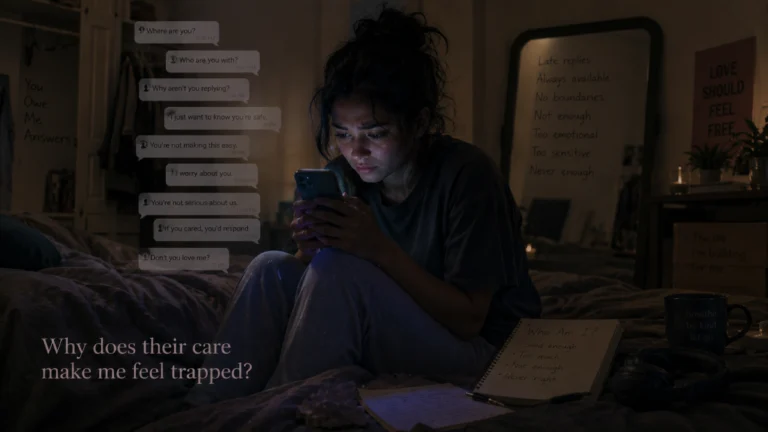
3. You Feel Anxious When They Pull Away
Maybe their distance changes your whole day.
If they do not reply, you cannot focus.
If they sound cold, your stomach tightens.
If they are online but not texting you, your mind spirals.
If they pull away, you feel desperate to fix it.
This is one of the clearest signs that their attention has become your emotional regulation.
When they are warm, you feel okay.
When they are distant, you collapse inside.
This can make going back feel necessary because their affection becomes the thing that calms the anxiety their distance created.
That is a painful loop.
They become the storm and the shelter.
And when someone becomes both, leaving can feel terrifying.
4. You Defend Them More Than You Protect Yourself
Maybe you spend a lot of emotional energy explaining them.
“They had a hard childhood.”
“They are stressed.”
“They do love me, they just do not know how to show it.”
“They are not always like this.”
“They did not mean it.”
“They apologized.”
“I also made mistakes.”
Some of this may be true.
People are complex. Pain has roots. Behavior often has history.
But understanding someone’s pain does not mean you must keep absorbing their harm.
If you are always protecting their image while hiding your wounds, something is off.
If you explain their behavior more than you honor your own pain, the relationship may be training you to abandon yourself.
Aapka dard bhi sach hai.
Their reasons do not erase your reality.
5. You Feel Guilty for Choosing Yourself
Maybe when you try to leave, guilt hits harder than clarity.
You think:
“What if I hurt them?”
“What if they need me?”
“What if I am being selfish?”
“What if they fall apart?”
“What if I am abandoning them?”
And because you are kind, guilt pulls you back.
But choosing yourself after being hurt repeatedly is not cruelty.
It is survival.
You are allowed to care about someone and still stop letting them harm you.
You are allowed to feel sad for them and still say, “I cannot be the place where you keep putting your pain.”
You are allowed to choose peace without proving that you stopped loving them.
6. You Keep Thinking, “Maybe This Time Will Be Different”
Hope can become the hook.
Maybe this time they mean it.
Maybe this time they finally understand.
Maybe this time losing you scared them enough.
Maybe this time the apology will become real change.
Maybe this time the good version will stay.
That word, “maybe,” can keep a person emotionally trapped for years.
Because “maybe” does not ask for evidence.
It survives on possibility.
But healing needs you to ask harder questions:
What has actually changed?
How long has it changed for?
Do they take responsibility without blaming me?
Do I feel safer, or just hopeful?
Is this a new pattern, or a familiar apology?
Hope is not bad.
But hope without evidence can become a leash.
7. You Feel Empty Without the Emotional Intensity
This one may surprise you.
Sometimes when you finally step away, you do not feel peaceful right away.
You feel empty.
Bored.
Restless.
Lost.
Emotionally under-stimulated.
You may even miss the drama.
Not because drama was good for you.
But because your body got used to intensity.
The highs and lows gave your nervous system something to chase. The conflict, apology, waiting, reunion, and uncertainty created emotional movement.
So when the movement stops, peace may feel strange.
Maybe even lonely.
But peace feeling unfamiliar does not mean peace is wrong.
It means chaos became normal for too long.
Reality Check
If going back keeps leading to the same wound, the issue is not your lack of patience. It is the pattern.
You are not failing because you cannot love them enough.
The relationship may be failing because love without change keeps repeating harm.
Why You Keep Going Back to Someone Who Hurts You
Now let’s understand the psychology underneath.
Because when you ask, “Why do I keep going back to someone who hurts me?” the answer is rarely just one thing.
It is usually a mix.
Attachment.
Hope.
Fear.
Loneliness.
Guilt.
Familiarity.
Low self-worth.
Unfinished emotional stories.
Relief after pain.
Let’s untangle these one by one.
1. Intermittent Affection Can Become Emotionally Addictive
Intermittent affection means love, care, attention, or kindness comes unpredictably.
Sometimes they are loving.
Sometimes they are cold.
Sometimes they make you feel chosen.
Sometimes they make you feel invisible.
Sometimes they apologize deeply.
Sometimes they act like your pain is the problem.
This inconsistency can make the attachment stronger.
Because when affection is unpredictable, your brain starts waiting for the next good moment.
You begin chasing the version of them that appears occasionally.
And because that version does not stay, it feels rare.
Rare things often feel more valuable, even when they are not healthy.
This is why one sweet message from them can feel more powerful than consistent kindness from someone else.
Not because their love is better.
Because your nervous system has been starving for it.
Emotional Impact Line
Sometimes you do not go back to the person. You go back to the possibility that this time the loving version will stay.
That possibility can feel like a promise, even when there is no evidence.
And that is why the cycle can become so difficult to break.
2. Trauma Bonding Can Make Leaving Feel Like Losing Safety
A trauma bond can form when pain and affection become emotionally linked.
They hurt you.
Then they comfort you.
They create fear.
Then they provide relief.
They make you feel unsafe.
Then they become the only person who seems able to calm you down.
This creates a confusing emotional attachment.
You may know they are hurting you, but your body still wants them close.
You may try to leave, but separation feels like danger.
You may feel like you cannot breathe without them, even though the relationship is suffocating you.
That is why trauma bonding can feel like love.
It is not because you enjoy pain.
It is because your nervous system has learned to seek relief from the same person connected to the pain.
This is also why people outside the relationship may not understand.
They may say, “Why don’t you just leave?”
But inside the bond, leaving can feel like ripping away the only comfort you know, even if that comfort is part of the harm.
3. You May Be Confusing Familiar Pain With Love
Sometimes we return to what is familiar, not what is good.
If you have been in a painful relationship for long enough, the pattern can start feeling normal.
The waiting feels normal.
The anxiety feels normal.
The apologizing feels normal.
The emotional highs and lows feel normal.
Then peace feels strange.
A calm person may feel boring.
A consistent person may feel less exciting.
A relationship without emotional panic may feel like it is missing something.
But maybe it is not missing love.
Maybe it is missing chaos.
This is one of the hardest lessons:
Just because something feels familiar does not mean it is love.
Sometimes familiar pain wears the face of home.
But home should not keep hurting you.
4. Fear of Being Alone Can Pull You Back
Loneliness can make harmful familiarity look safer than uncertain freedom.
When you leave, you may suddenly face silence.
No one to text.
No one to wait for.
No one to explain your day to.
No one to fight with.
No one to hope will change.
Even if the relationship hurt you, it filled space.
And when that space becomes empty, going back can feel like relief.
Not because the person changed.
But because the emptiness stopped.
This is why it is important to ask:
“Do I want them back, or do I just not want to feel alone right now?”
That question is powerful.
Because loneliness is real. It deserves care.
But loneliness should not be allowed to drive you back into pain and call it love.
5. You May Still Be Waiting for Validation or Regret
Maybe you keep going back because you want them to finally understand.
To admit they hurt you.
To say they were wrong.
To regret losing you.
To prove that you mattered.
To make the pain feel meaningful.
Sometimes the return is not about the future.
It is about trying to fix the past.
You go back hoping this time they will become the person who validates what happened.
But if someone repeatedly hurts you, they may not be emotionally capable of giving the kind of closure you need.
They may apologize, then repeat.
They may regret, then blame.
They may cry, then avoid accountability.
And every time they fail to give you the validation you need, you may feel tempted to try again.
But your pain does not become real only when they admit it.
It was real when you felt it.
6. Low Self-Worth Can Make Bare Minimum Feel Like Love
This one needs tenderness.
Sometimes we accept less because somewhere inside, we are not fully convinced we deserve more.
If you have been made to feel too much, too sensitive, too needy, too difficult, or not enough, you may start lowering your expectations.
Then the bare minimum starts feeling special.
A reply after silence feels like love.
A small apology after disrespect feels like growth.
A little affection after emotional distance feels like proof.
But you deserve more than someone returning after hurting you.
You deserve consistency before you break down.
You deserve care without begging.
You deserve respect even during conflict.
You deserve love that does not make you question whether your needs are too heavy.
Low self-worth can make crumbs feel like a meal.
But hunger is not proof that crumbs are enough.
7. Your Brain Is Trying to Finish an Unfinished Emotional Story
Sometimes you go back because the story feels unfinished.
You want the ending to make sense.
You want the relationship to become worth the pain.
You want the person you loved to finally become the person you believed they could be.
You want the suffering to lead somewhere.
Because if it does not, then you have to grieve not only the person, but also the time, hope, energy, and pieces of yourself you gave.
That grief is heavy.
So instead of grieving, you go back.
You try one more time.
Not because you are foolish.
Because your heart wants the story to end in a way that hurts less.
But sometimes the softer ending does not come from them changing.
Sometimes it comes from you choosing to stop reopening the chapter.
Is It Love, Attachment, or Trauma Bonding?
This question matters because the pull can feel the same on the surface.
Love can feel strong.
Attachment can feel strong.
Trauma bonding can feel strong.
But the emotional quality underneath is different.
Love vs Attachment vs Trauma Bond
| Feeling | What It Feels Like | What to Check |
| Love | Care, respect, safety, mutual effort | Do I feel emotionally safe? |
| Attachment | Missing, longing, routine, comfort | Am I attached to them or the habit? |
| Trauma bond | Panic, craving, relief after pain, fear of leaving | Does pain keep repeating with brief affection? |
Love does not require constant emotional survival.
Attachment may explain why you miss them.
Trauma bonding may explain why leaving feels terrifying even when staying hurts.
The goal is not to label yourself harshly.
The goal is to understand what kind of pull you are feeling.
Because once you understand the pull, you can stop obeying it blindly.
Ask Yourself What You Are Really Going Back For
When you feel like returning, ask what need is hiding underneath the urge.
| “I’m Going Back Because…” | Hidden Emotional Need |
| “I love them” | Connection |
| “They need me” | Responsibility |
| “They apologized” | Hope |
| “I miss them” | Comfort |
| “I can’t be alone” | Safety |
| “Maybe they’ll change” | Validation of the pain |
| “I just need closure” | Emotional understanding |
| “No one else feels like them” | Familiar intensity |
This table is not here to dismiss your feelings.
It is here to make them clearer.
Because if the real need is comfort, you can find comfort without returning to the person.
If the real need is validation, you can begin validating your own pain.
If the real need is safety, you can build safety with people who do not keep hurting you.
If the real need is closure, you can stop asking the wound to explain itself.
Emotional Clarity
A strong pull is not always proof of love. Sometimes it is proof that the bond has been trained through pain, hope, and relief.
This is the truth your heart may be avoiding.
The pull may be real.
But real does not always mean right.
What to Do When You Feel Like Going Back Again
This section is for the moment when the urge comes.
Because it probably will.
They may text.
You may miss them.
You may feel lonely.
You may start remembering the good moments.
You may start thinking, “Maybe I should give them one more chance.”
In that moment, you do not need a lecture.
You need a plan.
A small, practical, emotionally safe plan.
Step 1: Pause Before Responding to Their Message
If they message you, pause.
Do not reply from panic.
Do not reply from guilt.
Do not reply from loneliness.
Do not reply just because your body feels activated.
Wait at least 20 minutes.
Put the phone down.
Drink water.
Change rooms.
Breathe slowly.
Walk for five minutes.
Message someone safe before replying.
The goal is not to be cold.
The goal is to let your calmer self enter the room before your attachment makes the decision.
Why This Helps
Urges feel urgent, but they usually rise and fall.
When you pause, you give your nervous system time to settle.
The version of you who replies while panicking may not protect the version of you who has to live with the consequences later.
So pause.
Not forever.
Just long enough to hear yourself.
Step 2: Read Your Pattern List Before You Decide
Create a note in your phone called:
“What Happens When I Go Back?”
Write honestly.
What did they do?
What did they promise?
What changed?
How long did it last?
What repeated?
How did I feel after returning?
What did I lose each time?
What do I keep hoping will happen?
This list is not to punish them.
It is to protect your memory.
Because when you miss someone, your heart may show you the soft parts and hide the pattern.
Your pattern list brings the whole truth back.
Read it before replying.
Read it before meeting.
Read it before accepting another apology.
Step 3: Separate the Person From the Pattern
This is important.
You may love parts of them.
You may miss parts of them.
You may believe there is good in them.
That can all be true.
But the pattern may still be unsafe.
A person can have beautiful qualities and still be harmful in a relationship.
Someone can love you in moments and still not love you consistently.
Someone can cry and still repeat.
Someone can miss you and still not be able to treat you well.
So when deciding whether to go back, do not decide only based on the soft moment.
Decide based on the pattern.
Ask:
“What happens after the apology fades?”
That question is a blade of clarity.
Step 4: Create a No-Return Rule for Your Weakest Moments
You know your weakest moments better than anyone.
Maybe it is after midnight.
Maybe it is when you are crying.
Maybe it is after seeing their story.
Maybe it is when you feel lonely.
Maybe it is when they send a soft message.
Create a no-return rule for those moments.
Examples:
No texting after midnight.
No replying when crying.
No meeting them alone after conflict.
No accepting apologies without changed behavior.
No going back before talking to one trusted person.
No making relationship decisions when I feel panicked.
No rereading old chats when I feel lonely.
This is not about controlling yourself harshly.
It is about protecting yourself when your heart is most vulnerable.
Step 5: Tell One Safe Person Before You Go Back
When the urge comes, message one safe person.
Say:
“I feel like going back. Can you help me remember the pattern?”
Choose someone who will ground you, not shame you.
You do not need someone yelling, “Are you crazy?”
You need someone who can say:
“I understand you miss them. But let’s remember what happened last time.”
Support matters because cycles grow stronger in isolation.
When you are alone with the urge, the good memories get louder.
A safe person can help bring reality back into the conversation.
Step 6: Replace the Return Urge With a Safety Ritual
Your body needs something to do with the urge.
Do not just sit and fight it.
Create a safety ritual.
Take a shower.
Go for a walk.
Record a voice note to yourself.
Write the message you want to send, but do not send it.
Read your pattern list.
Call a friend.
Make tea.
Put your phone across the room.
Sleep before deciding.
The ritual should tell your body:
“We are not returning to pain right now. We are taking care of ourselves.”
It may feel small.
But small actions repeated during emotional danger become self-trust.
Step 7: Seek Support If the Relationship Feels Unsafe
If this relationship includes fear, control, threats, violence, stalking, coercion, isolation, or pressure, please do not handle this alone.
This is beyond normal relationship confusion.
You deserve support.
Talk to someone safe.
Consider professional help if possible.
If you are in immediate danger, contact local emergency services or a trusted person who can help you get to safety.
You do not have to prove the situation is “bad enough.”
If you feel afraid, that fear is enough to take seriously.
Common Mistakes That Keep You Going Back
When you are stuck in this cycle, some habits quietly keep the door open.
These mistakes are common.
They do not make you foolish.
But seeing them clearly can help you stop repeating them.
Mistake 1: Believing the Apology More Than the Pattern
An apology can feel powerful.
Especially when you have been waiting to be understood.
But an apology is not the same as change.
Someone can cry and still repeat.
Someone can say the right words and still avoid responsibility.
Someone can promise they will be different and still return to the same behavior once they feel secure again.
Why Is It Harmful?
Words create hope, but patterns reveal truth.
If you believe the apology more than the pattern, you keep restarting the same cycle with a new excuse.
Emotional Consequence
You may feel hopeful for a few days, then devastated when the same wound returns.
Each restart becomes more exhausting.
Not because you are weak.
Because hope hurts when it keeps being disappointed.
Mistake 2: Romanticizing Their Good Side
It is easy to hold onto their good side.
Especially when it was beautiful.
Maybe they were loving sometimes.
Maybe they knew exactly how to comfort you.
Maybe the chemistry was intense.
Maybe the beginning felt rare.
Maybe the good moments were not fake.
But the good side is not enough if the harmful pattern keeps returning.
Why Is It Harmful?
It makes potential feel more important than reality.
You stay attached to who they could be, not who they keep choosing to be.
Emotional Consequence
You keep surviving the painful version while waiting for the loving version to become permanent.
And waiting can quietly consume your life.
Mistake 3: Going Back When You Feel Lonely
Loneliness can make your memory soft.
It can make harmful familiarity look comforting.
At night, you may think:
“At least they know me.”
“At least I had someone.”
“At least the pain felt better than this emptiness.”
“At least they might reply.”
But loneliness is not a safe decision-maker.
Loneliness wants relief.
It does not always check whether relief is healthy.
Why Is It Harmful?
Loneliness can make familiar pain feel safer than unfamiliar peace.
Emotional Consequence
You may return for comfort and wake up inside the same hurt.
Then the loneliness becomes mixed with regret.
That is a heavy place to keep visiting.
Mistake 4: Keeping Their Access Open
Maybe you keep the chat open.
You keep their number.
You keep watching their stories.
You keep responding to “just checking on you” messages.
You keep a small emotional window open.
Because fully closing it feels too final.
But open access keeps the cycle alive.
Every message becomes a doorway.
Every view becomes a signal.
Every call becomes a chance to return.
Why Is It Harmful?
Open access keeps the emotional cycle active.
Your nervous system never gets enough distance to calm down.
Emotional Consequence
Every message, view, or call becomes another doorway back.
You may think you are just staying civil, but emotionally, you may still be standing too close to the fire.
Mistake 5: Blaming Yourself for the Cycle
After going back, shame may attack you.
“Why am I like this?”
“I have no self-respect.”
“I am so stupid.”
“I deserve this because I keep returning.”
Please do not talk to yourself like that.
Shame does not break the cycle.
Shame often strengthens it.
Because when you feel ashamed, you hide.
And when you hide, you isolate.
And when you isolate, the person becomes even more emotionally powerful.
Why Is It Harmful?
Shame makes you hide, and hiding strengthens the pattern.
Emotional Consequence
You may stop seeking support because you feel embarrassed.
Then the cycle becomes private again.
And private pain grows teeth.
You need compassion and honesty, not self-attack.
Say instead:
“I went back because the bond is strong. Now I need to understand the pull and protect myself differently.”
That sentence gives you a way forward.
When Should You Stop Going Back for Good?
This section may feel difficult.
Because part of you may still love them.
Part of you may still hope.
Part of you may still believe they can change.
But sometimes love is not the question anymore.
Sometimes the question becomes:
“How much of myself do I have to lose before I admit this pattern is hurting me?”
Stop Going Back If the Same Harm Keeps Repeating
A mistake happens once.
A pattern repeats.
If the same issue keeps happening, it is no longer just a misunderstanding.
If they keep hurting you in the same way, apologizing in the same way, and changing only temporarily, that matters.
Repeated harm is information.
It tells you that the relationship is not becoming safer.
It is cycling.
And you do not have to keep calling a cycle “working on it.”
Stop Going Back If Their Apology Never Becomes Changed Behavior
Tears are not transformation.
Regret is not repair.
Missing you is not maturity.
An apology matters only when it becomes different behavior.
Ask:
Do they take responsibility without blaming me?
Do they respect my boundaries afterward?
Do they change when I am not threatening to leave?
Do I feel safer weeks later, or only hours later?
If the apology gives temporary peace but the behavior repeats, then the apology is not healing the wound.
It is resetting the cycle.
Stop Going Back If You Feel Afraid, Controlled, or Smaller
This is serious.
If you feel afraid to speak, afraid to leave, afraid to say no, afraid to disagree, or afraid of their reaction, please pay attention.
Fear is not a normal relationship cost.
Control is not love.
Being monitored is not care.
Isolation is not devotion.
Threats are not passion.
If the relationship makes you smaller, quieter, more anxious, more dependent, or less like yourself, the cost is too high.
You should not have to shrink to be loved.
Stop Going Back If You Keep Losing Yourself to Keep Them
Maybe you are not only losing peace.
Maybe you are losing yourself.
Your confidence.
Your friendships.
Your sleep.
Your clarity.
Your standards.
Your voice.
Your softness.
Your sense of reality.
If keeping them means losing you, then the relationship is asking for too much.
Love should not require self-abandonment as proof.
You do not need to stop loving them overnight.
But you do need to stop returning to a place where you disappear.
Reality Check
You do not need to stop loving them overnight. But you do need to stop returning to the same place that keeps teaching you to abandon yourself.
That is the truth.
You can love someone and still leave.
You can miss someone and still choose distance.
You can feel guilty and still protect yourself.
You can want them to change and still stop waiting inside the wound.
How Long Does It Take to Stop Going Back to Someone Who Hurts You?
There is no perfect timeline.
And you should not use someone else’s timeline to shame yourself.
Some people stop going back quickly.
Some need several attempts before the cycle breaks.
Some leave emotionally before they leave physically.
Some leave physically but still feel mentally attached.
Healing depends on the depth of the bond, the length of the relationship, your attachment patterns, your support system, your safety, and how much access the person still has to you.
But one thing is clear:
The cycle was built through repetition.
So breaking it also takes repeated choices.
It Takes Time Because the Cycle Trained Your Emotions
Your emotions learned the pattern.
Pain.
Apology.
Hope.
Return.
Relief.
Repeat.
Your body learned that their affection brings calm.
Your mind learned to wait for the good version.
Your heart learned to hope after being hurt.
So now, healing means teaching your system something new.
Pause.
Truth.
Distance.
Support.
Reality.
Safety.
Self-trust.
At first, it may feel unnatural.
You may still want to go back.
You may still miss them.
You may still feel guilty.
You may still wonder if this time would be different.
That does not mean you are failing.
It means the old pattern is still loud.
Your job is not to silence it instantly.
Your job is to stop letting it make every decision.
Signs You Are Breaking the Cycle
You are breaking the cycle when you pause before replying.
When you read your pattern list before believing the apology.
When you tell the truth to someone safe.
When you stop hiding what happened.
When you choose distance even though you miss them.
When you stop confusing relief with love.
When you trust patterns more than promises.
When you stop asking, “How do I keep them?” and start asking, “What is this costing me?”
When you feel the urge to go back, but wait.
When you stop making one soft moment erase months of pain.
When you begin to believe that peace is not punishment.
These signs may seem small.
But they are not small.
They are the beginning of self-trust returning.
Healing Means Choosing Safety More Often Than the Emotional High
The goal is not perfect detachment immediately.
The goal is fewer returns.
More pauses.
More honesty.
More support.
More moments where you choose yourself even while your heart is shaking.
Healing means slowly choosing safety more often than the emotional high.
At first, safety may not feel exciting.
It may feel quiet.
Maybe even empty.
But over time, your body may start to understand:
“Peace is not absence. Peace is protection.”
And one day, you may not crave the emotional high as much.
Because you will no longer be starving for relief from pain.
You will be building a life that does not keep causing the pain in the first place.
Final Thought: You Are Not Weak for Going Back, But You Deserve to Understand Why
You are not weak because you went back.
You were attached.
You were hopeful.
You were afraid.
You were lonely.
You felt guilty.
You wanted the good version to stay.
You wanted the pain to finally mean something.
You wanted to believe that love could still win.
That does not make you foolish.
It makes you human.
But now that you can see the cycle more clearly, you can start choosing differently.
Not all at once.
Just one honest pause.
One safe person.
One boundary.
One message you do not send.
One apology you do not immediately believe.
One night you choose sleep instead of spiraling.
One moment where you say:
“I miss them, but I will not return to the same wound tonight.”
That is how cycles begin to weaken.
Not through shame.
Through truth.
Through support.
Through tiny acts of self-respect that slowly become a new way of living.
You may still love them.
You may still miss them.
You may still have days where your heart tries to bargain with the past.
But please remember this:
Someone can matter to you and still not be safe for you.
Someone can have good moments and still repeat harmful patterns.
Someone can apologize and still not change.
Someone can love you in their way and still not love you in the way your heart needs to survive.
You deserve love that does not keep turning you into a smaller version of yourself.
You deserve peace that does not depend on someone else’s mood.
You deserve a relationship where relief is not the reward after pain.
And you deserve to come back to yourself more times than you go back to someone who keeps hurting you.
Read Next
If this felt close to what you are going through, you may also want to read:
- Signs You’re in a Trauma Bond, Not Love: Why It Feels So Hard to Leave
- Why Do I Miss My Ex Even When I Know They Were Bad for Me?
- How to Stop Thinking About Someone After a Breakup
- Signs You’re Not Over Your Ex Yet and What Your Heart Is Really Trying to Tell You
Start with the one that matches your pain today.
And if the relationship makes you feel afraid, controlled, threatened, or unsafe, please do not rely on reading alone. Reach out to someone safe. Your life, peace, and safety matter more than keeping the cycle alive.